No till gardening using Crotalaria sp. Rattlepod

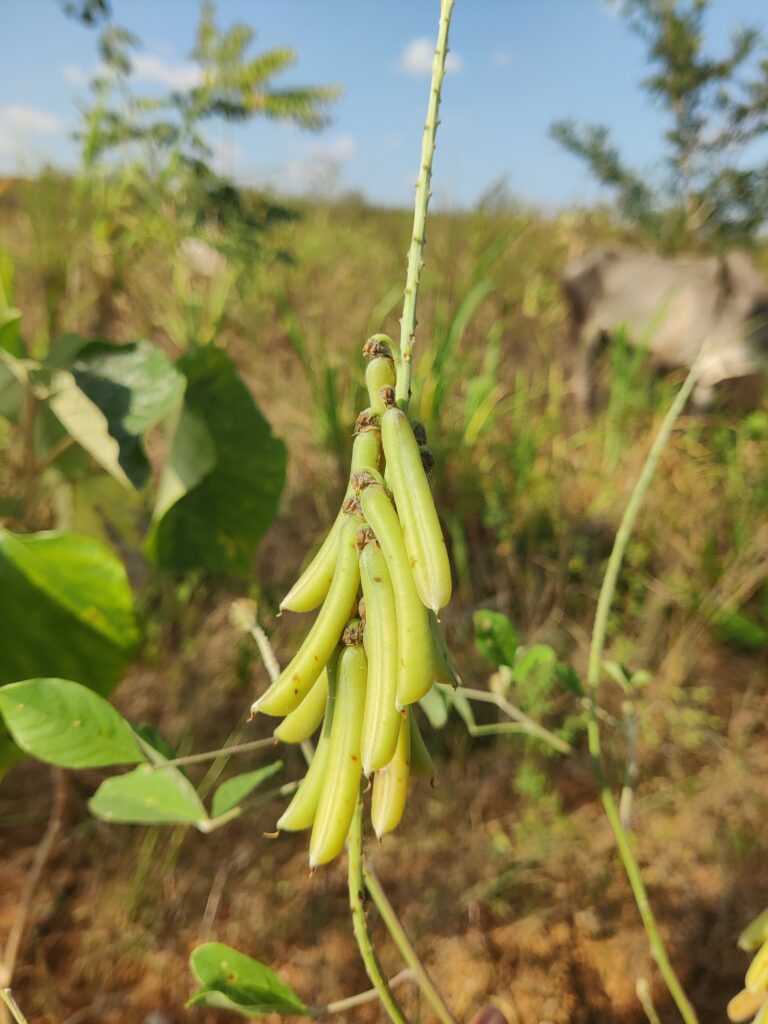
Crotalaria sp. Rattlepod
Crotalaria sp. (commonly called rattlepod) has several other names depending on the species and region. Here are some widely used ones:
Common English Names
Rattlepod – (from the rattling sound of its dry seed pods)
Sunn hemp – (Crotalaria juncea)
Rattlebox
Showy rattlepod – (Crotalaria spectabilis)
Smooth rattlebox – (Crotalaria pallida)
Devil-bean (regional name)
Indian Vernacular Names
These vary by species and language:
San / Sann hemp / Sunhemp – (Hindi, Marathi, Bengali)
Tag / Tagalu / Thagachekke – (Kannada)
Sunnappu / Sunnabatti – (Telugu)
Janumu / Janumpu – (Tamil)
Sannappu / Sannam – (Malayalam)
Crotalaria juncea is often cultivated as a green manure and fiber crop (used for rope and paper).
Other wild Crotalaria species are common weeds, but still valuable nitrogen fixers and pollinator plants.
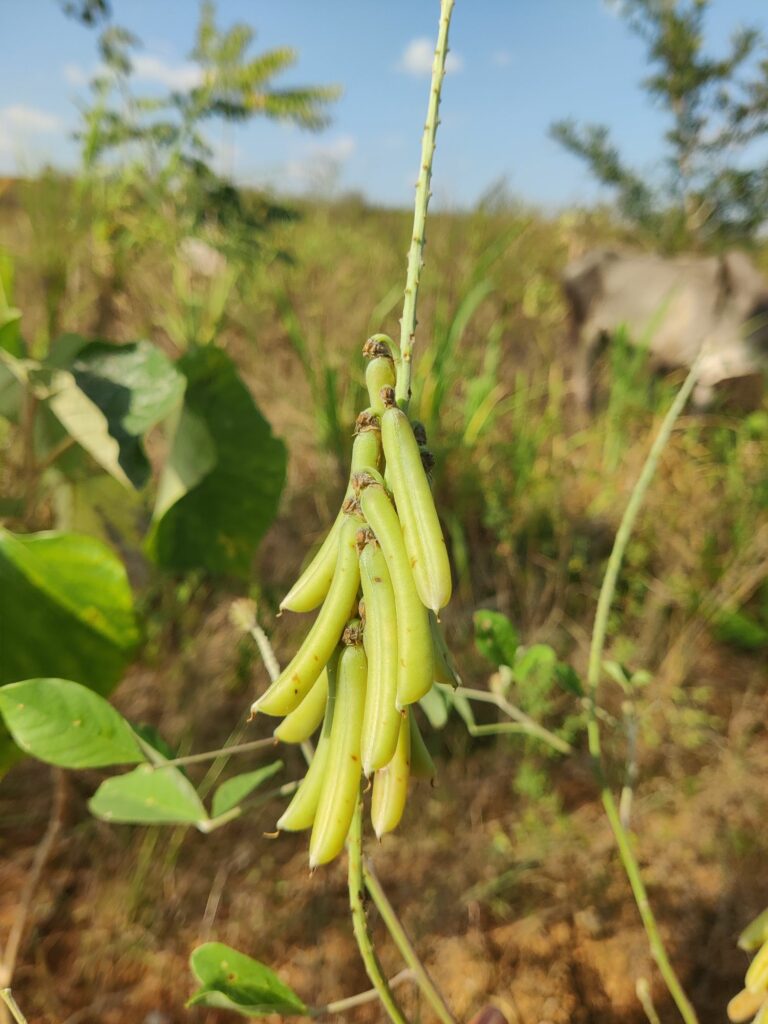
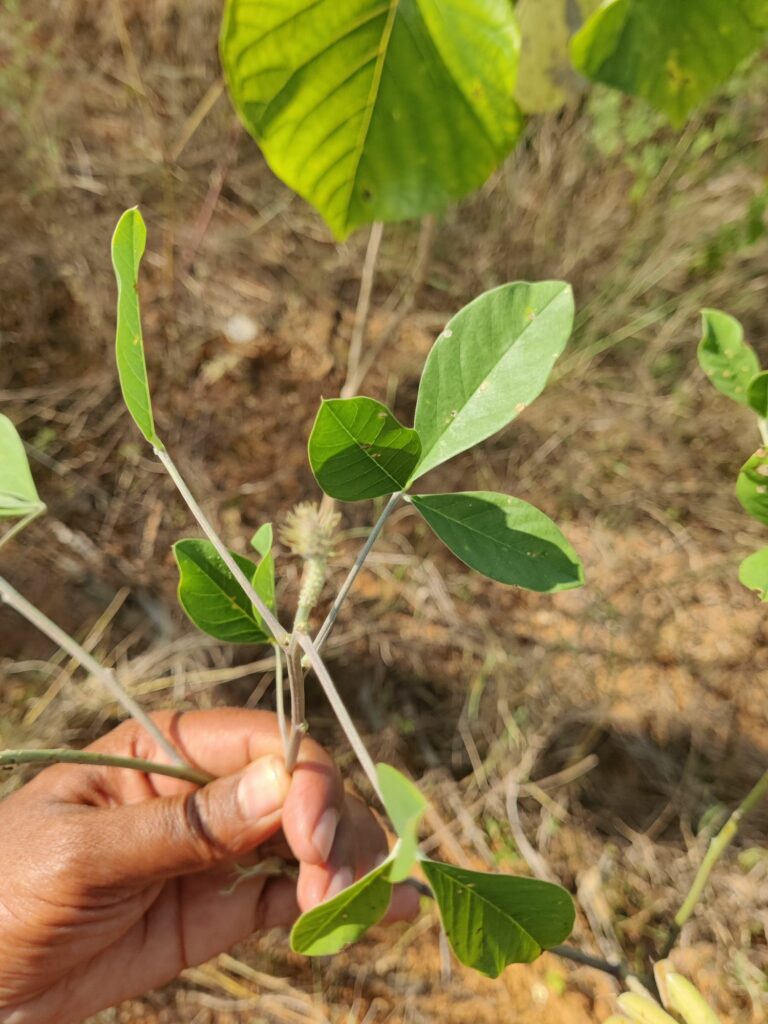
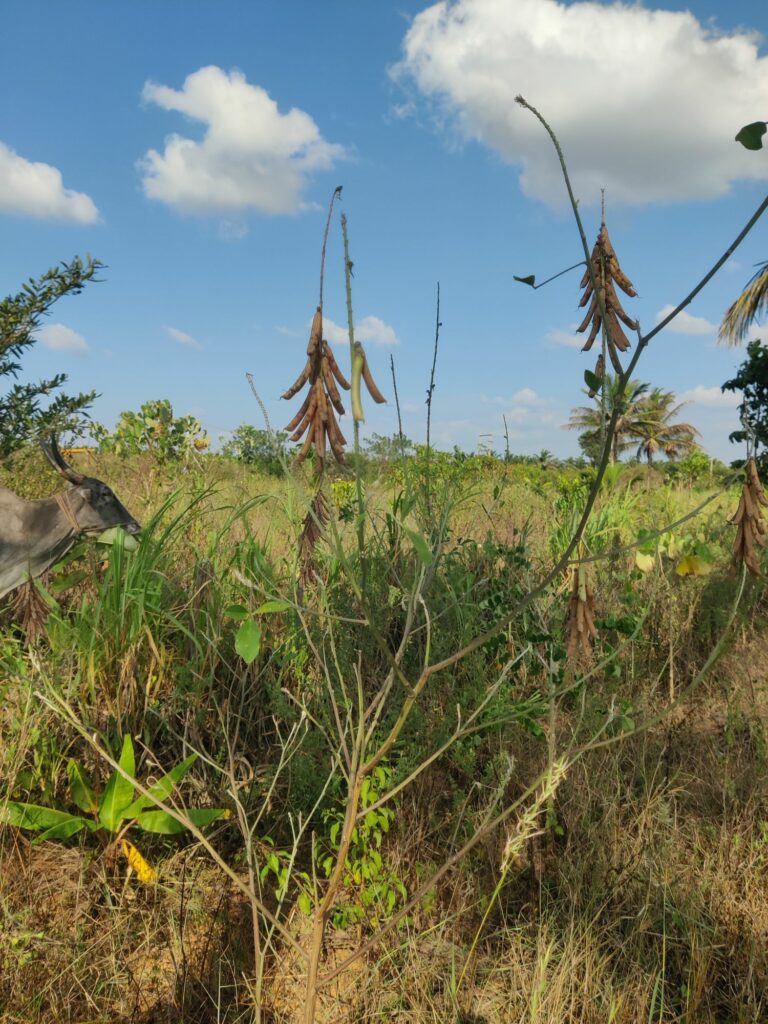
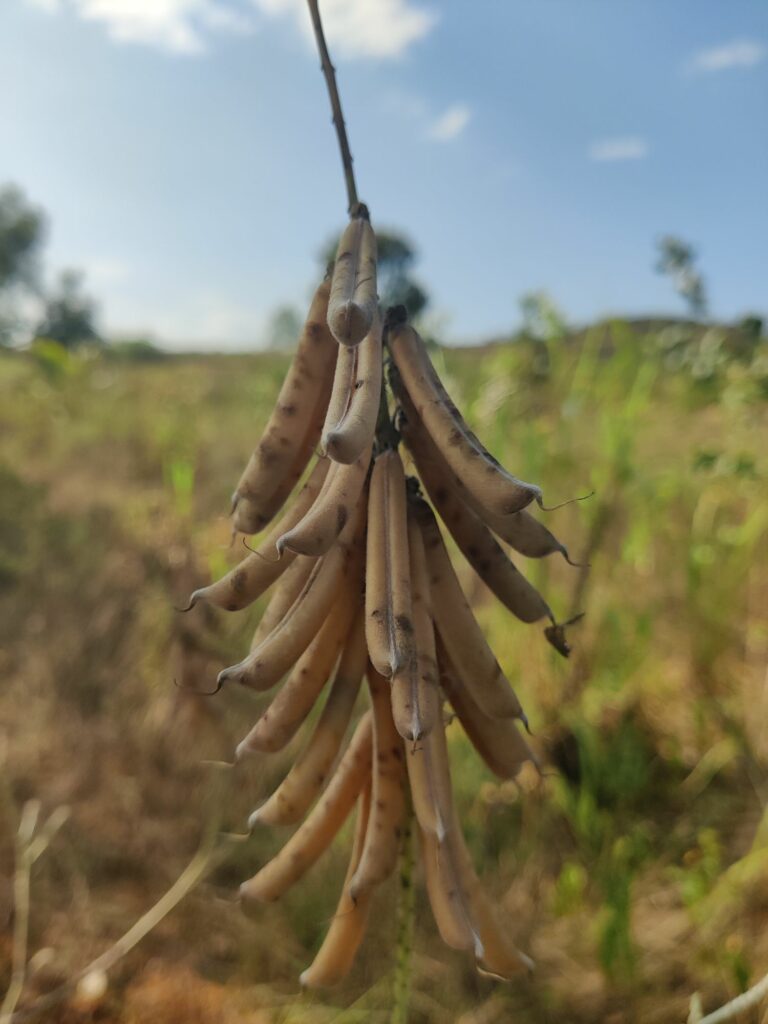
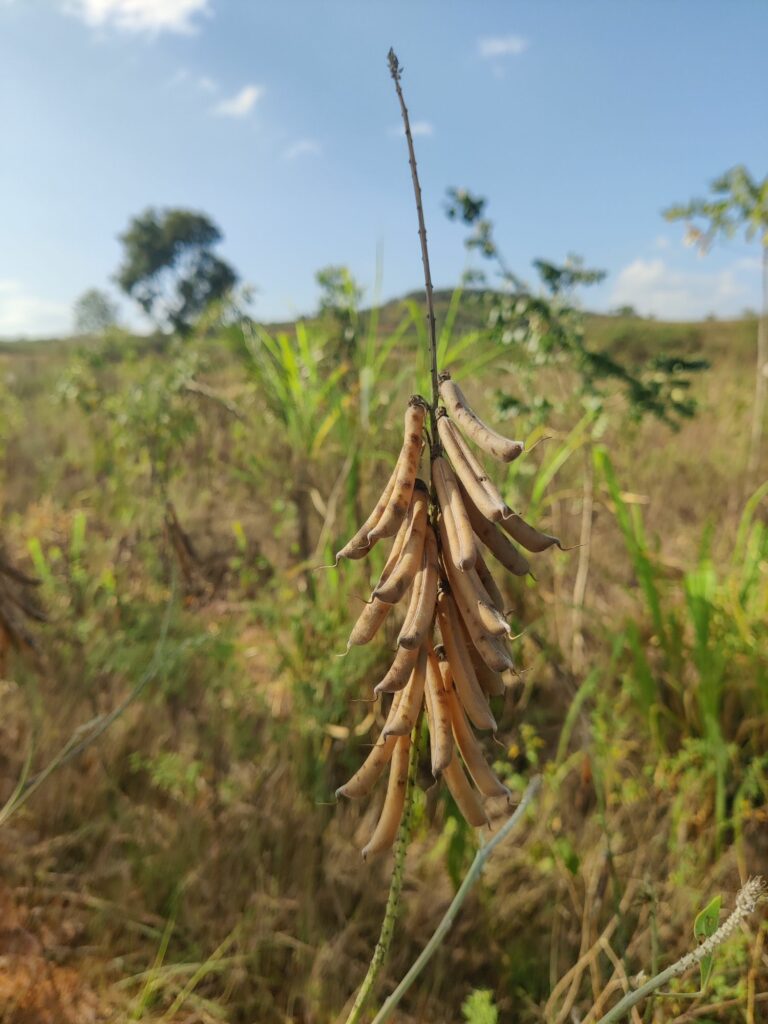
A weed which is also a nitrogen fixer. Fast growing and gives an ample amount of biomass.
How do I use it?
In my 4 ft X 4 ft garden bed I will densely sow the seeds after the harvest and let it grow for 2 months. Just when it’s about to flower I would just cut it and put it back in the same bed. The thick root decomposes and makes the soil very soft. The bed is now ready with nitrogen.
Here’s how you can refine and get the most benefit from using Crotalaria sp. (rattlepod) in your 4×4 ft garden bed:
Step-by-Step Use
1. Sow densely
After your main crop harvest, broadcast Crotalaria seeds evenly across the bed. You don’t need to space them much — they’ll cover the soil and suppress weeds.
2. Let it grow 6–8 weeks
Allow it to reach just before flowering (this is when nitrogen and biomass are at their peak). The stems are still soft then, and nutrients are most available.
3. Cut and mulch in place
Chop down the plants and spread them over the surface. You can either:
Leave them as surface mulch to decompose slowly, or
Incorporate lightly (2–3 inches deep) into the topsoil to speed up decomposition.
4. Let it rest for 2–3 weeks
Give the bed a short resting period before planting your next crop. This allows decomposition to stabilize and avoids temporary nitrogen tie-up.
5. Roots do magic underground
The thick taproots of Crotalaria decompose slowly, improving aeration and microbial life — perfect for root crops or vegetables afterward.
Tips
Moisture: Keep the bed slightly moist after cutting; dry mulch decomposes slowly.
Don’t let it seed: Once it sets seed, it can become invasive. Cut before flowering to prevent spread.
Rotation: You can alternate Crotalaria with other legumes like cowpea or sunn hemp to diversify soil biology.
Summary
✅ Fixes atmospheric nitrogen
✅ Adds large biomass → organic matter boost
✅ Loosens compacted soil
✅ Suppresses weeds
✅ Encourages beneficial microbes
Receive updates in WhatsApp https://chat.whatsapp.com/JpVlOVyZp7v1o7ir5PaBDw?mode=ems_copy_c


Responses